August 21, 2025
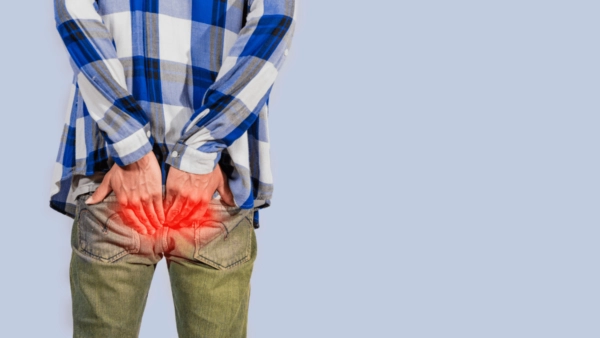
From within your anus to the skin outside, an anal fistula is an aberrant pathway that forms, usually near your anal glands, in the upper portion of your anus (butthole). Infection of these glands can result in a fistula, which is a channel formed by the drainage of the infection. Perianal refers to the area around your anus; hence, this illness is known as a perianal abscess. (Occasionally, a perianal fistula is also referred to as an anal fistula. ) Fistula treatment in Noida is available to recover naturally.
What signs of anal fistula do you see?
Anal fistula symptoms are mostly:
- Many times, anal discomfort is severe and pulsating.
- Sitting, coughing, or pooping could intensify the sensation.
- Your buttocks could be touch-sensitive.
- Inflammation inside or around your anus that causes swelling and redness. These point to an ongoing skin infection (cellulitis).
- Fluid evacuation from somewhere around your anus. It might contain blood (rectal bleeding), faeces, or pus. It could have a scent.
Less typical indications are:
- Fever.
- Pain when you pee.
- Trouble keeping your poo in.
- You could or could not be able to glimpse the fistula using a mirror.
An anal fistula is like what?
A hole in the skin around your anus is what an anal fistula looks like. The hole links to the abscess within and is the tunnel’s furthest point. Especially when you contact the skin surrounding it, it could seep pus, blood, or feces. While the rest of the tunnel remains, some earlier fistulas may close at the mouth. This leads to swelling and discomfort until the fistula reopens, allowing the drainage to escape.
Leading cause of a fistula: what is it?
Fistulas may develop anywhere on your body, either between several organs or from an organ to a skin opening. They usually occur when your tissues have been irritated for a prolonged period, often due to an injury or illness. Particularly if the requirement is of pus drainager, chronic inflammation and infection can ultimately erode into the surrounding tissues. This might open up a channel between the wound and surrounding tissues.
What raises one’s chance of developing an anal fistula?
If you: You are more prone to developing an anal fistula.
- Are men.
- Once or currently possesses a perianal abscess.
- Possess an inflammatory bowel disease (IBD), including Crohn’s.
- Your perianal area has a history of radiation treatment or surgery.
- Do they have immune deficiency or are they prone to more frequent infections?
- Have an incurable STI.
If you require fistula or Fissure treatment in Noida, our expert doctors at Shastram Piles and Fissure Clinic can help you.
Latest Posts
- Hemorrhoids Fissure Fistula Clinic in Noida: Specialized Care for Common Anorectal Problems
- Female Doctor for Anal Problems in Noida: When Should You Consult a Specialist?
- Doctor for Anal Problems in Noida: When Should You Consult an Anorectal Specialist?
- Best Doctor for Piles and Fissure in Noida: How to Choose the Right Specialist
- Best Proctology Clinic in Noida: Complete Care for Piles, Fissures & Fistulas
- Piles Hospital in Noida: How to Choose the Right Clinic for Effective Piles Treatment
Latest Category
- Ayurveda (13)
- Piles Clinic (77)