October 23, 2026
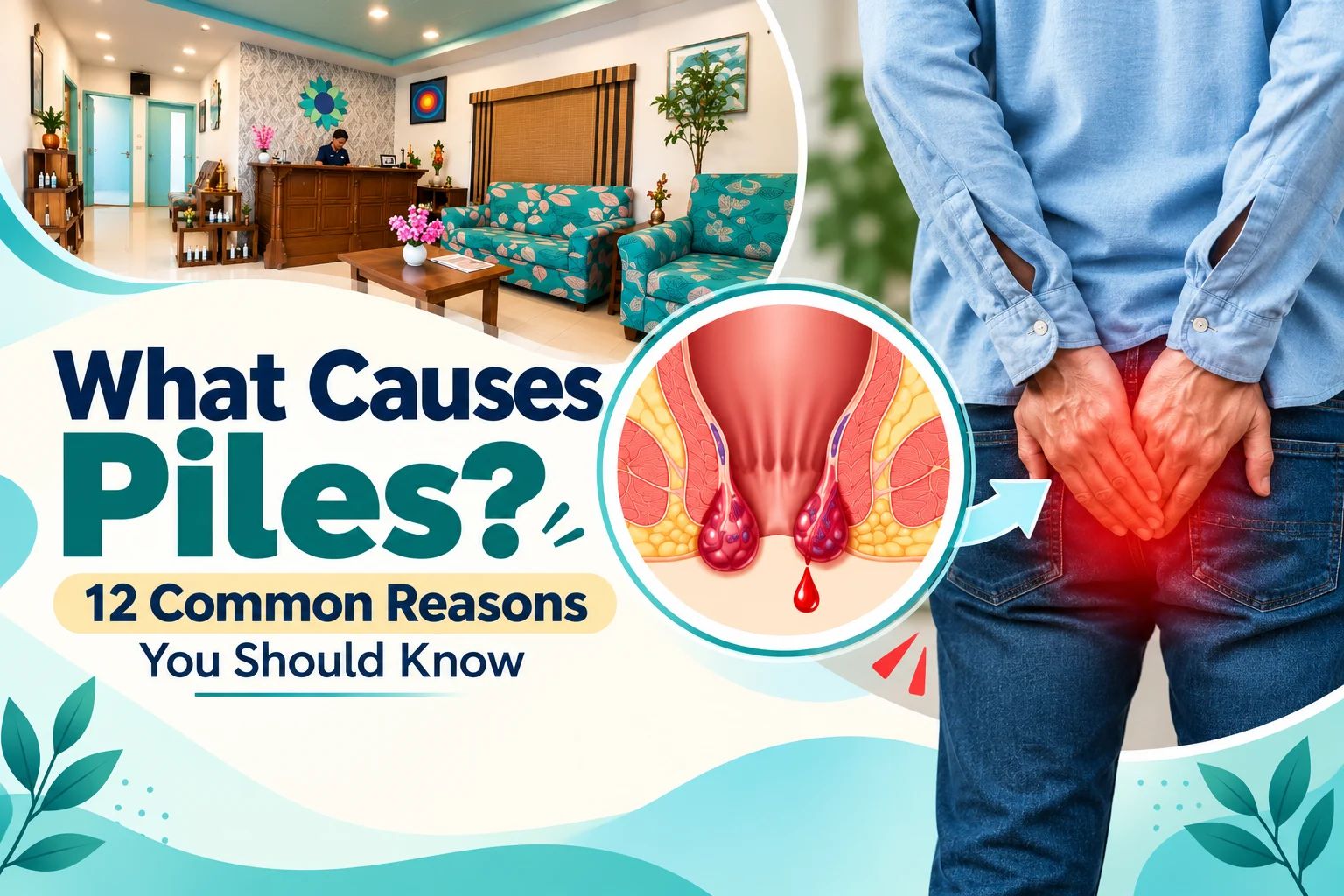
Piles, also called hemorrhoids, are swollen blood vessels in or around the anus and lower rectum. They can develop bleeding, itching, swelling, discomfort, and regular pain. Among one of the most regular concerns people ask after noticing these signs and indicators is: what causes piles?
Piles typically do not cause as a result of one specific element. Improved pressure on the blood vessels around the anus and rectum, constipation, straining, pregnancy, excess weight, and specific everyday habits can all include.
Acknowledging what causes piles can help you identify risk factors and increase bowel habits. If signs proceed or bleeding continuously takes place, professional analysis is truly crucial. Patients looking for Piles Treatment in Noida can examine from Shastram Piles and Fissure Clinic for evaluation and customized treatment planning.
What Causes Piles in Adults?
A lot of factors can enhance pressure around the lower rectum or make defecation difficult. Right here are 12 regular factors connected with hemorrhoids.
Persistent Constipation
Constipation is a major risk aspect for piles. Hard stools can make bowel movements challenging and trigger repeated straining.
If constipation happens frequently, fixing it can be an important part of both piles management and prevention.
Straining During Bowel Movements
Excessive straining raises pressure on capillary around the anus and lower rectum. Repetitive straining may add to the improvement or worsening of hemorrhoids.
Sitting on the Toilet for Too Long
Significant toilet sessions can raise pressure in the rectal location. Using a phone while sitting on the commode can inadvertently make these sessions a lot longer.
Attempt to complete your bowel movement without unnecessary hold-up.
Low-Fiber Diet
A diet program that does not include sufficient fiber leads to constipation and harder stools.
Fruits, veggies, whole grains, legumes, and many various other fiber-containing foods can support normal bowel movements. Increase fiber gradually if your regular diet method is reduced in fiber.
Not Drinking Enough Fluids
Sufficient hydration maintains routine bowel function. For some individuals, insufficient liquid usage can include harder stools, especially when consisting of a low-fiber diet.
Pregnancy
Hemorrhoids can occur while pregnant as a result of raised pressure in the pelvic location and other pregnancy-related modifications.
Pregnant patients experiencing bleeding or significant anorectal symptoms and signs are required to assess them with a suitable treatment professional as opposed to self-treating.
What Causes Piles to Get Worse?
Comprehending what causes piles is only part of the picture. Existing hemorrhoid indicators can also wind up being widely known as a result of repeated constipation, straining, and changes in bowel habits.
Excess Body Weight
Being overweight or obese might boost pressure in the abdominal and pelvic location and can be related to hemorrhoidal indicators.
Keeping a healthy weight can support basic digestive and metabolic health.
Routine Diarrhea
Constipation is not the only bowel issue related to hemorrhoid indications. Constant diarrhea of the bowels and repeated bowel movements can additionally magnify the anal location.
Persistent diarrhea needs to be assessed to determine its underlying cause.
Heavy Lifting and Repeated Straining
Activities involving copied substantial straining can for a moment boost stomach pressure. Ideal training methods and avoiding unwanted strain are sensible, especially if you currently have a lot of hemorrhoid symptoms.
Increasing Age
Supporting tissues around the anus and rectum can change with age, which can consist of hemorrhoid development in some grownups.
Healthy bowel habits remain crucial at every age.
Sedentary Lifestyle
Low physical activity can include constipation in some individuals. A typical movement maintains bowel function and typical health and wellness and health and wellness and health and wellness and wellness.
Likewise straightforward activities such as typical walking can be functional as part of a healthy program.
Regularly Ignoring need to Pass Stool
Regularly holding back defecation may enable stool to end up being added hard and more difficult to find on some individuals. This can be activated by straining.
Establishing routine bowel programs could assist in reducing undesirable pressure throughout defecation.
What Are the Common Symptoms of Piles?
Recognizing what causes piles is useful, nonetheless figuring out the indications is in a comparable means as essential.
Typical hemorrhoid indicators can include:
- Bright-red rectal bleeding
- Anal itching or irritation
- Swelling around the anus
- A lump near the anal opening
- Discomfort during bowel movements
- Prolapse of internal hemorrhoidal tissue
- Pain, particularly with some external hemorrhoids
These indicators do not confirm that you have piles. Rectal fissures and different other issues can develop similar problems.
When Should You Consult a Piles Specialist in Noida?
Consider seeing a Piles Specialist in Noida when indications regularly return, bleeding earnings, a swelling or prolapse stays, or discomfort stays clear of daily activities.
Anal bleeding ought to have specific emphasis thinking that hemorrhoids are simply one practical variable.
Look for prompt treatment if you have substantial bleeding, black or tarry stools, severe or instantly rising pain, fatigue, substantial powerlessness, or comfy.
What Does Piles Treatment in Noida Involve?
Piles Treatment in Noida need to begin with clinical diagnosis instead of promptly choosing a drug, laser procedure, or surgery.
The doctor might analyze your indicators, bowel habits, constipation history, period of bleeding, previous treatment, and regular health. An excellent analysis might in addition be recommended.
Conservative Piles Treatment
For right patients, management might include:
- Increasing dietary fiber
- Maintaining adequate hydration
- Avoiding excessive straining
- Improving toilet habits
- Staying physically active
- Using medication when prescribed
Treatments for Persistent or Advanced Piles
If indications proceed despite critical treatment or hemorrhoids are advanced, a professional might think of comprehensive options.
Laser-assisted treatment may be thought about for picked patients, nonetheless it is not called for or optimal for each instance. Among the most reliable differences relies on the hemorrhoid kind, clinical findings, and individual circumstances.
How Can You Reduce Your Risk of Piles?
Once you understand what causes piles, various preventative routines wind up being simple.
Concentrate on bowel movements regularly and stools comfortable to pass. Eat adequate fiber, drink enough fluids, remain absolutely energised, stay without unnecessary straining, and limit prolonged toilet sitting.
If constipation is persistent, try to find professional pointers rather than depending regularly on self-medication.
Why Consider Shastram Piles and Fissure Clinic?
Shastram Piles and Fissure Clinic supplies professional assessment for piles, fissures, fistulas, and plenty of other anorectal difficulties in Noida.
Patients trying to find Piles Treatment in Noida can look for evaluation to identify the element and strength of their indications before treatment is encouraged.
If you call for a Piles Specialist in Noida, professional analysis can in addition help various hemorrhoids from anal fissures and numerous other various other troubles that might produce similar indications.
Shastram Piles and Fissure Clinic
Book Your Consultation Today
 Call: +91-9289359859
 Address: Ayur Hridayam, BR-91, Sector 116, Noida – 201305
GMB: Visit Our Clinic
Book your appointment today for specialized consultation and personalized treatment.
Last concept
So, what causes piles? Normal consisting of factors include constipation, recommends too much straining, reduced dietary fiber, long-term toilet sitting, pregnancy, modifications connected with age, and numerous other factors that enhance pressure around the lower rectum.
Improving bowel habits can help in reducing a lot of these threat factors, yet persistent bleeding, pain, swelling, or prolapse needs to be suitably taken a look at.
For Piles Treatment in Noida, consulting an accredited Piles Specialist in Noida can assist establish the medical diagnosis and determine a thrilling treatment plan.
People Also Ask – FAQs
Q1. What is the main cause of piles?
Ans. Piles are associated with increased pressure on veins around the anus and lower rectum. Constipation and repeated straining during bowel movements are common contributing factors.
Q2. Can constipation cause piles?
Ans. Chronic constipation can contribute to hemorrhoids because hard stools and repeated straining increase pressure in the anorectal region.
Q3. What foods can make piles worse?
Ans. There is no single food that causes hemorrhoids in everyone. However, a diet consistently low in fiber may contribute to constipation, which can aggravate hemorrhoid symptoms.
Q4. Can piles go away without surgery?
Ans. Some hemorrhoid symptoms can improve with conservative measures such as increasing fiber, maintaining hydration, improving bowel habits, and using prescribed medicines. More persistent or advanced cases may require procedural treatment.
Q5. When should I see a doctor for piles?
Ans. Seek medical evaluation for recurring bleeding, persistent swelling, prolapse, significant pain, or symptoms that do not improve. Heavy bleeding, black stools, fever, dizziness, or severe worsening pain needs prompt attention.
Latest Posts
- What Causes Piles? 12 Surprising Risk Factors and Daily Habits You Should Know
- Why Do Piles Bleed? Causes, Symptoms & When to See a Piles Doctor in Noida
- Hemorrhoids Fissure Fistula Clinic in Noida: Specialized Care for Common Anorectal Problems
- Female Doctor for Anal Problems in Noida: When Should You Consult a Specialist?
- Doctor for Anal Problems in Noida: When Should You Consult an Anorectal Specialist?
- Best Doctor for Piles and Fissure in Noida: How to Choose the Right Specialist
Latest Category
- Ayurveda (13)
- Piles Clinic (79)