October 29, 2026
Pain during defecation, bright-red bleeding, itching, or discomfort around the anus can trouble identify what stays to continue to be actually inaccurate. Two common possibilities are hemorrhoids (piles) and anal fissures. Although they can develop similar indications, they are numerous problems and might require numerous treatment plans.
Recognizing Piles vs Fissure Symptoms can help you recognize and ask for distinctions, however signs alone can regularly confirm the diagnosis. If pain or bleeding continues, an anorectal examination might be essential.
Patients looking for Piles and Fissure Treatment in Noida can look for an analysis at Shastram Piles and Fissure Clinic to identify the source of their indications before choosing treatment.
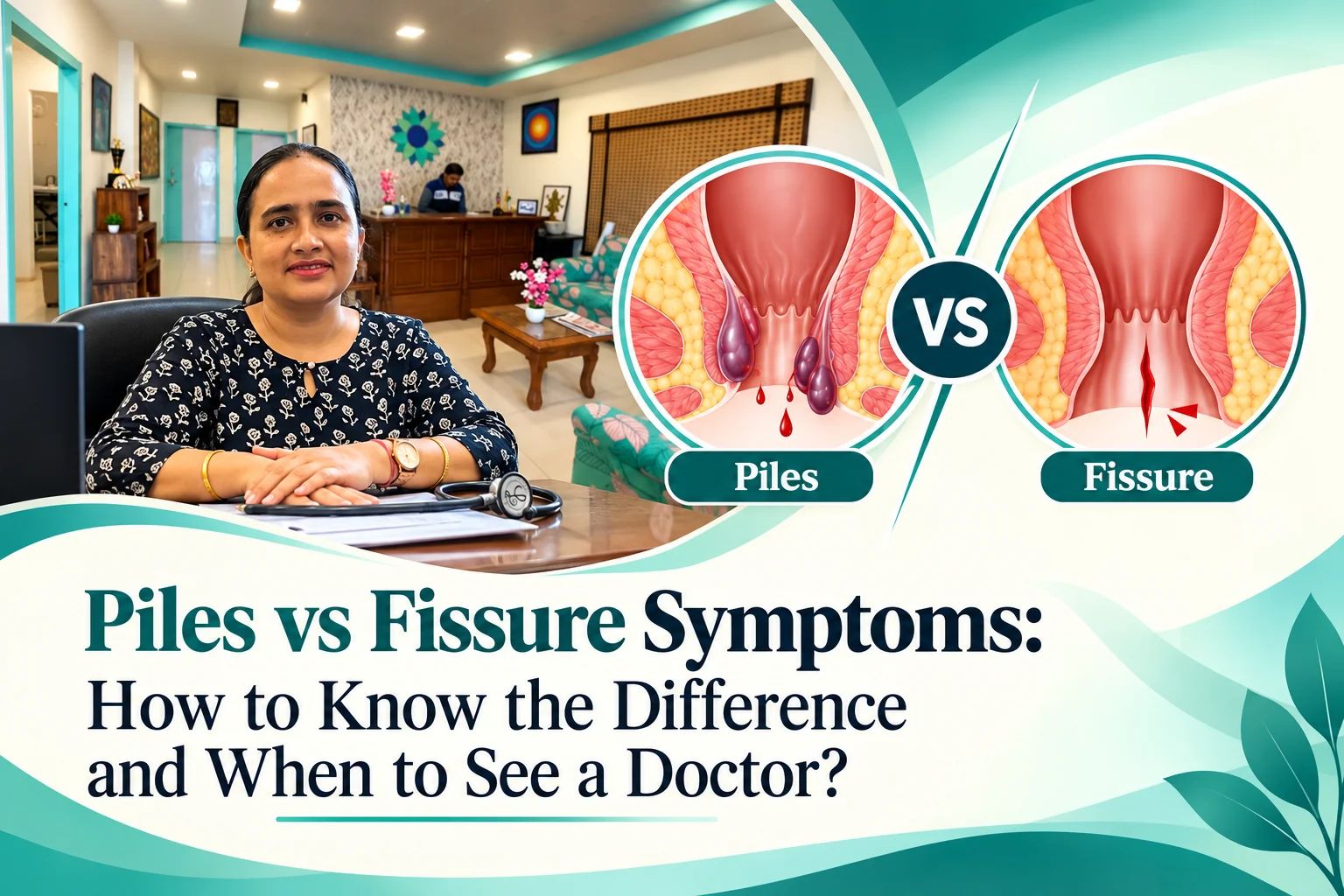
Piles vs Fissure Symptoms: What Is the Main Difference?
The simple difference is:
Piles are swollen blood vessels in or around the anus and lower rectum.
An anal fissure is a small tear in the lining of the anal canal.
Both conditions might cause bright-red bleeding throughout bowel movements, nonetheless the pattern of pain can differ.
A fissure regularly develops sharp or cutting pain while passing stool, followed by burning discomfort afterward. Internal hemorrhoids, on the other hand, can continually bleed without producing significant pain.
What Are the Common Symptoms of Piles?
Hemorrhoid symptoms depend upon whether the piles are internal or external and just specifically how advanced they are.
Common indications and signs can have:
- Bright-red blood after bowel movements
- Anal itching or irritation
- Swelling around the anus
- A lump near the anal opening
- Mucus discharge
- Tissue protruding during bowel movements
- Discomfort while sitting
- A feeling of incomplete evacuation
Internal piles may produce pain-free bleeding, particularly in earlier stages.
External hemorrhoids can be discomfort or painful, especially if a blood clot develops.
What Are the Common Symptoms of an Anal Fissure?
An anal fissure usually develops a more painful pattern.
Symptoms may include:
- Sharp pain while passing stool
- Burning pain after a bowel movement
- Bright-red blood on toilet paper
- Pain associated with hard stool
- Fear of passing stool because of pain
- A visible tear near the anal opening in some cases
- Repeated symptoms associated with constipation
Some individuals define fissure pain as a cutting or tearing experience.
Can Constipation Cause Both Piles and Fissures?
Constipation can contribute to both conditions.
Hard stools and considerable straining raise pressure around the anal location. This can aggravate hemorrhoids and can furthermore trigger or go back to an anal fissure.
People who over and over once more experience constipation might produce a cycle of:
Hard stool → straining → pain or bleeding → fear of bowel movement → worsening constipation.
Improving bowel habits can as a result of that be an essential part of managing both conditions.
Why Does It Hurt After I Pass Stool?
Pain that takes place specifically extreme throughout or after a bowel movement can be associated with an anal fissure.
A fissure can trigger spasm of the internal anal sphincter. This can include persistent discomfort after stool passage and interfere with healing in some persistent conditions.
Nevertheless, considerable anal pain can in a similar approach have various other elements, including thrombosed hemorrhoids or an abscess.
Persistent or escalating pain should be evaluated rather than diagnosed based only on symptoms.
When Does Rectal Bleeding Need Medical Attention?
Both piles and fissures can develop bright-red bleeding, yet not every episode of rectal bleeding is triggered by these conditions.
Seek medical evaluation when:
- Bleeding repeatedly returns
- The amount of bleeding increases
- Blood appears mixed with stool
- Bowel habits have changed
- Symptoms continue despite basic measures
- You have unexplained weakness or weight loss
- You are uncertain about the cause
Heavy bleeding, black or tarry stools, dizziness, fainting, fever, or severe worsening pain require prompt medical attention.
How Are Piles and Fissures Diagnosed?
Before starting Piles and Fissure Treatment in Noida, the doctor may ask about constipation, bleeding, pain, bowel habits, symptom period, previous treatment, and many various other health problems.
An extraordinary examination may after that help identify hemorrhoids from an anal fissure and establish whether anorectal condition needs consideration.
Additional investigations may be recommended when clinically necessary.
What Treatment Is Available for Piles and Fissures?
Treatment calls for to be based upon the diagnosis and severity unlike simply selecting the comparable solution for both conditions.
Therapy for Piles
For suitable hemorrhoid cases, initially care can include dietary fiber, hydration, constipation, staying without substantial straining, and prescribed medicines.
Persistent or resourceful hemorrhoids may ask for considerable treatment after specialist evaluation.
Treatment for Anal Fissure
Early fissures might improve with therapies targeted at keeping stools soft and minimizing anal irritation. Medication could in addition be recommended.
A chronic or non-healing fissure can require a good deal additional analysis and treatment counting on individual findings.
How Can You Reduce the Risk of Recurring Symptoms?
Healthy bowel habits are vital for both piles and fissures.
Try to:
- Eat adequate dietary fiber
- Drink sufficient fluids
- Avoid excessive straining
- Stay physically active
- Avoid prolonged toilet sitting
- Do not repeatedly delay bowel movements
- Address persistent constipation
- Follow prescribed treatment properly
If indications repeatedly return despite these tasks, look for medical assessment.
Piles and Fissure Treatment in Noida at Shastram
Shastram Piles and Fissure Clinic offers evaluation for piles, fissures, fistulas, rectal bleeding, anal pain, and considerable anorectal concerns.
If you are still taking a look at how to know if I have piles or fissure, a specialist analysis can help recognize the real element instead of depending entirely on symptoms.
Patients searching for Piles and Fissure Treatment in Noida can analyze their signs and ideal treatment selections following the diagnosis.
Conclusion
Recognizing Piles vs Fissure Symptoms can assist you acknowledge common differences. Fissure more commonly creates pain throughout bowel movements followed by burning discomfort while piles can establish pain-free blood loss, itching, swelling, or prolapse.
However, blood loss and anal pain can have many other reasons. If symptoms and indications continue, recur, or worsen, consult with an outstanding anorectal specialist for diagnosis and treatment.
Shastram Piles and Fissure Clinic
Book Your Consultation Today
 Call: +91-9289359859
 Address: Ayur Hridayam, BR-91, Sector 116, Noida – 201305
GMB: Visit Our Clinic
People Also Ask – FAQs
Q1. How can I tell if I have piles or fissure?
Ans. Piles commonly cause bleeding, itching, swelling, or prolapse, while fissures often cause sharp pain during stool followed by burning. Because symptoms can overlap, examination may be required for confirmation.
Q2. Which is more painful, piles or fissure?
Ans. Anal fissures commonly cause intense sharp or burning pain during and after bowel movements. Some hemorrhoids can also become painful, particularly external or thrombosed hemorrhoids.
Q3. Can piles and fissure occur together?
Ans. Yes. A person can have hemorrhoids and an anal fissure at the same time, particularly when constipation and straining are persistent problems.
Q4. Is bleeding during stool always caused by piles?
Ans. No. Piles and fissures can cause bright-red bleeding, but rectal bleeding has other possible causes. Persistent or unexplained bleeding should be medically evaluated.
Q5. Which doctor treats piles and fissures?
Ans. A proctologist or anorectal specialist can diagnose and manage piles, anal fissures, fistulas, and other common anorectal disorders.
Latest Posts
- Piles vs Fissure Symptoms: How to Know the Difference and When to See a Doctor
- Why Does My Fistula Keep Coming Back? Causes, Warning Signs & Treatment Options
- Best Doctor for Anorectal Problems in Noida: Who Should You Consult for Piles, Bleeding or Fistula?
- Non Healing Anal Fissure Treatment in Noida: Why Your Fissure Keeps Coming Back
- Kshar Sutra Clinic in Noida: Is Kshar Sutra Effective for Recurrent Fistula?
- What Causes Piles? 12 Surprising Risk Factors and Daily Habits You Should Know
Latest Category
- Ayurveda (13)
- Piles Clinic (84)